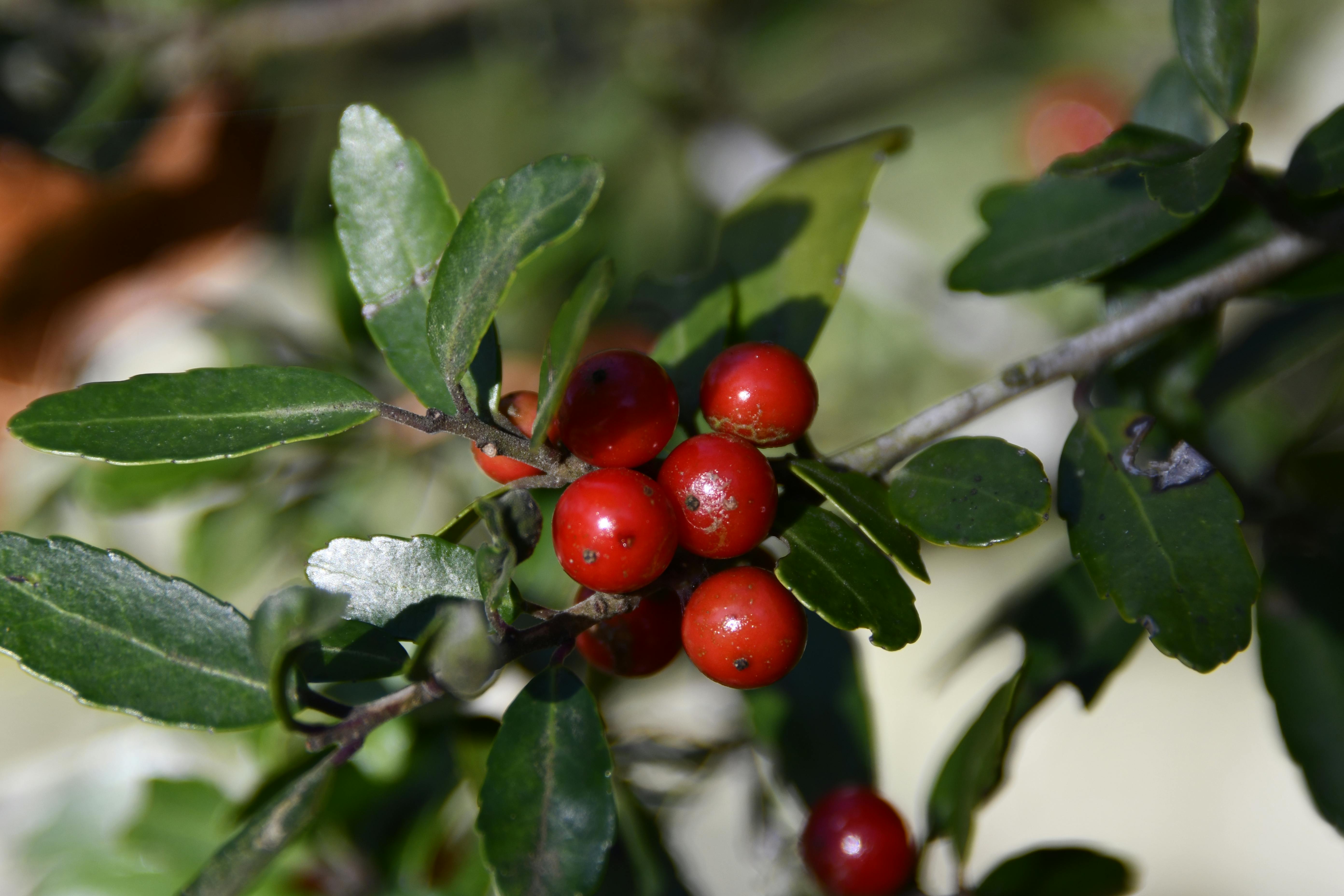
 Yaupon & Green tea are caffeinated teas that pack a punch for your vitality. I’m sure you know Green tea, but have you heard of Yaupon? Turns out, they’re not all that different, let’s see why.
Firstly though, did you know that the Green tea plant isn’t called “Green tea”?
“Camellia sinensis is a [chinese] species of evergreen shrub or small tree in the flowering plant family Theaceae. Its leaves, leaf buds, and stems are used to produce tea. Common names include tea plant, tea shrub, and tea tree. White tea, yellow tea, green tea, oolong, dark tea and black tea are all made.” - Wikipedia
Yaupon tea on the other hand, comes from the North American native Yaupon Holly.
“contain active ingredients such as caffeine, theobromine, ursolic acid, and theophylline, just like the related yerba mate and guayusa hollies.”
Comparisons
Both Yaupon and Camellia Sinensis are evergreen shrubs, caffeinated, and have similar antioxidants, making Yaupon just a North American version of China’s Green tea.
Also, while Yaupon and Green tea don’t taste much alike, Black tea and Yaupon taste very much the same.
Funny thought, since native american’s like the Cherokee most likely came from Mongolia (next to china) they pretty much switched from the Camellia to Yaupon!
Contrasts
Sinensis means “from China,” giving this an obvious difference from Yaupon which is native to North America.
As another contrast, both have different growing seasons.
- Camellia sinensis has several harvest seasons:
- Spring - new buds for green tea and minimally processed for white tea
- In-between - leaves used for oolong tea
- Autumn - mature leaves used for black tea
Whereas Yaupon is only harvested when leaves are mature, as well as being much smaller than Camellia’s.
Yaupon also has little to no Tannins (bitterness), making it better for digestion, whereas Camellia Sinensis teas like Black Tea contain high levels of:
Tannins are phytochemical polyphenols that, “act as antioxidants and can help combat inflammation, protect your heart health and reduce your risk of developing cancer, others, like tannic acid, act as anti-nutrients, interfering with the way certain minerals, like iron, are absorbed. Most teas contain tannins, but some types of teas have higher amounts than others.” - everydayhealth
Turns out, there are some surprising sources that contain Tannins, like “Fruit, red wine, and all types of coffee also contain significant amounts.” As part of the plant’s “defense system”.
Good news though, although Tannins are so widespread, drinking milk or adding lemon (rich in Vitamin C) neutralizes the Tannins.
The only negative, which isn’t exactly, is that:
“They found that the only possible toxic substance was theobromine, an alkaloid, but the amounts of the chemical were so low that a single gram of cocoa contained over 2,255 times more theobromine than yaupon.[24]”
While I’m a bit confused about theobromine, considering that coffee seems to have a lot, and there’s more in Yaupon than in Green tea, perhaps it’s only bad when having too much.
Also, Yaupon is great for digestion compared to the Tannin-filled Green tea:
“Yaupon tea contains polyphenols (chlorogenic acids, rutin, and quercetin) that function as prebiotics, feeding beneficial gut bacteria and promoting short-chain fatty acid production.” - goldholly
Lastly, Green tea is rich in Catechins (good for cellular repair) whereas Yaupon has none.
While Green tea is among the healthiest beverages on the planet, is Yaupon an underrated hero or just a local alternative?
Takeaway
While both gives a boost of energy, what many don’t know is that your gut is the key to overall well-being. That’s where Yaupon tea seems to be a better alternative than Green tea considering it has no Tannins and helps gut bacteria. Overall though, it depends on what you need the most. If you have lemon with green tea, then you’ll be benefiting from its Catechins; whereas for Yaupon, it’s pre-biotics.
This NIH study seems to do a good job comparing the two in addition to other alternative teas like Yerba Mate.