Documenting native plants in Eastern USA
All pictures by author
Spring onion
With dark blue-green flexible stalks protruding from the ground, they’re easy to spot. When pulling the bulb up, peel back the outer layer and pluck the round, juicy and full-of-flavor onion out. Most in the wild stay a small size but propagate quickly.
Henbit
Also called deadnettle due to its lack of stinging (like stinging nettle), the entire weed is edible and has an earthy, unique taste that pairs well with lemon.

Yarrow

Pepperweed

Invasive plants
Whether they keep other plants from growing or are just a pest to keep around, here’s the good and the bad of the most common invasive plants.
Keep in mind, that nonetheless of how good a plant is, the better course of action to take is getting rid or replacing them. Since these plants can keep other natives from growing by sucking away nutrients from the soil or even releasing chemicals.
Good
Honeysuckle
From Asia, these varieties of honeysuckle are fast-growing, like part-shade with full-sun, and climb up any tree or bush. While I
Replace
Never did I know there was a native Honeysuckle other than the Trumpet variety, until I went to an AgFest and saw them. Vines alike to the invasive, except with red tones, that part told me already that it was native to here. Plants and animals seem to transform from silver to red. While I have yet to see whether the flowers look and smell alike, I’m close to making the native my favorite flower rather the invasive.
Autumn Olive
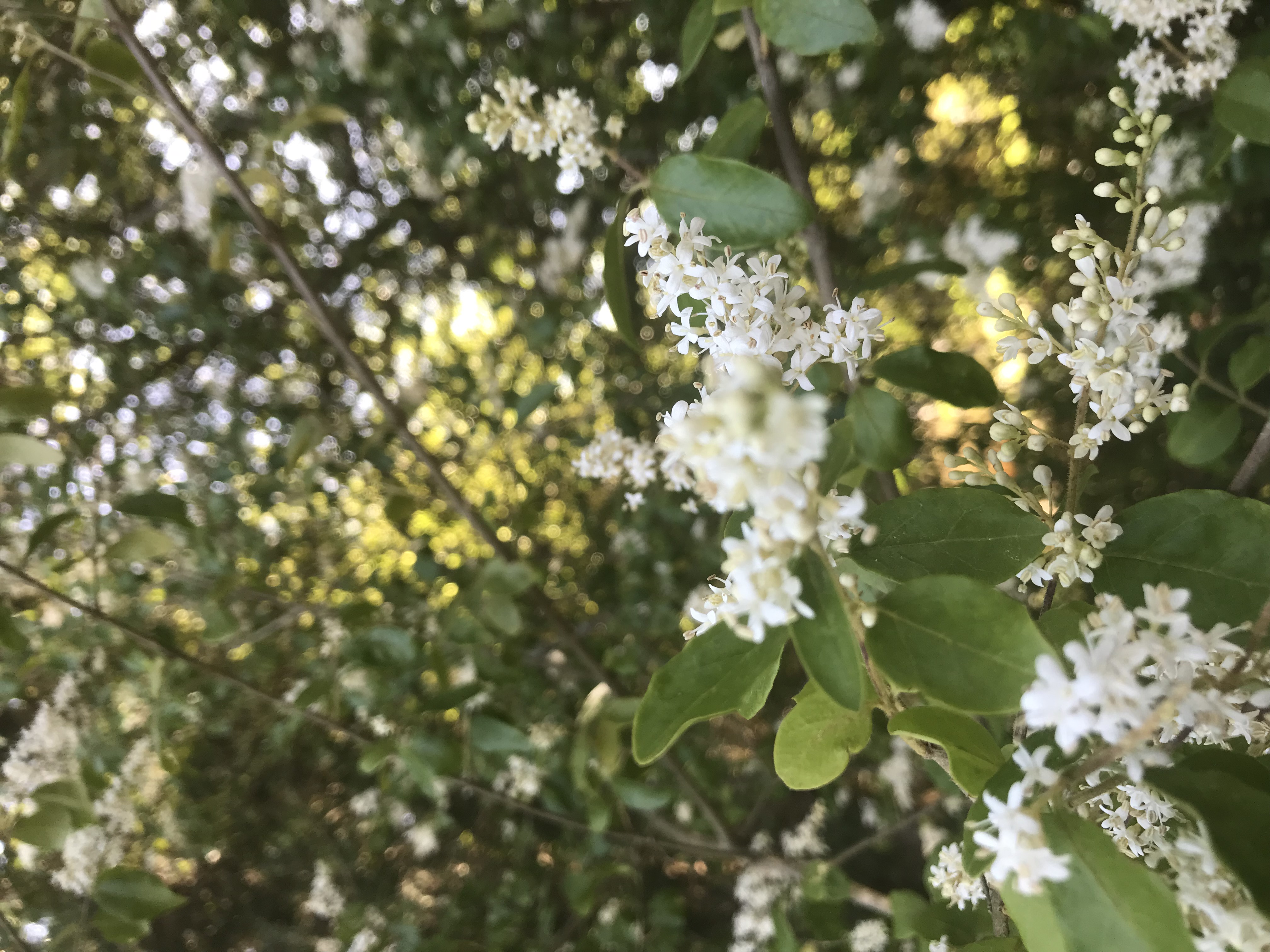
For a few years I thought this was a jasmine. There were bushes everywhere along the edge of the woods, and the flowers appeared like them. However, they were a tasty look-a-like: lollyberries. Yes, I did make that word up because I think it suits them much more than whoever named them since they give fruit in summer and don’t look anything like olives! Slightly tart with a hard seed inside, these come from Asia and have a beautiful speckled silver pattern upon its magenta-red surface. Think it’s a jasmine? Look at the underside of the leaf and it will have a sparkling silver sheen.
Bad
Tree of Heaven/Hell
Why were invasive’s introduced?
Whether they were praised for being ornamental, medicinal qualities (least likely), or simply hitched a ride on a boat, many invasive’s were introduced in the 1800s and have now become common-place right below our noses.
They have huge impacts on wildlife. For example, bird’s ingesting poisonous-to-them fruit and these plant’s ability to spread rapidly, preventing native’s from growing. Few people realize the consequences, but those who do tire endlessly in weeding away these. But like the Japanese forest grass… it’s nearly impossible to control its spread.
The best we can do is to have awareness of the hidden battle in these forests and weed away what we can in what land we can control. Pollinators will love you for it 🐝
Others
Chinese Privet
Whatsitcalled grass
