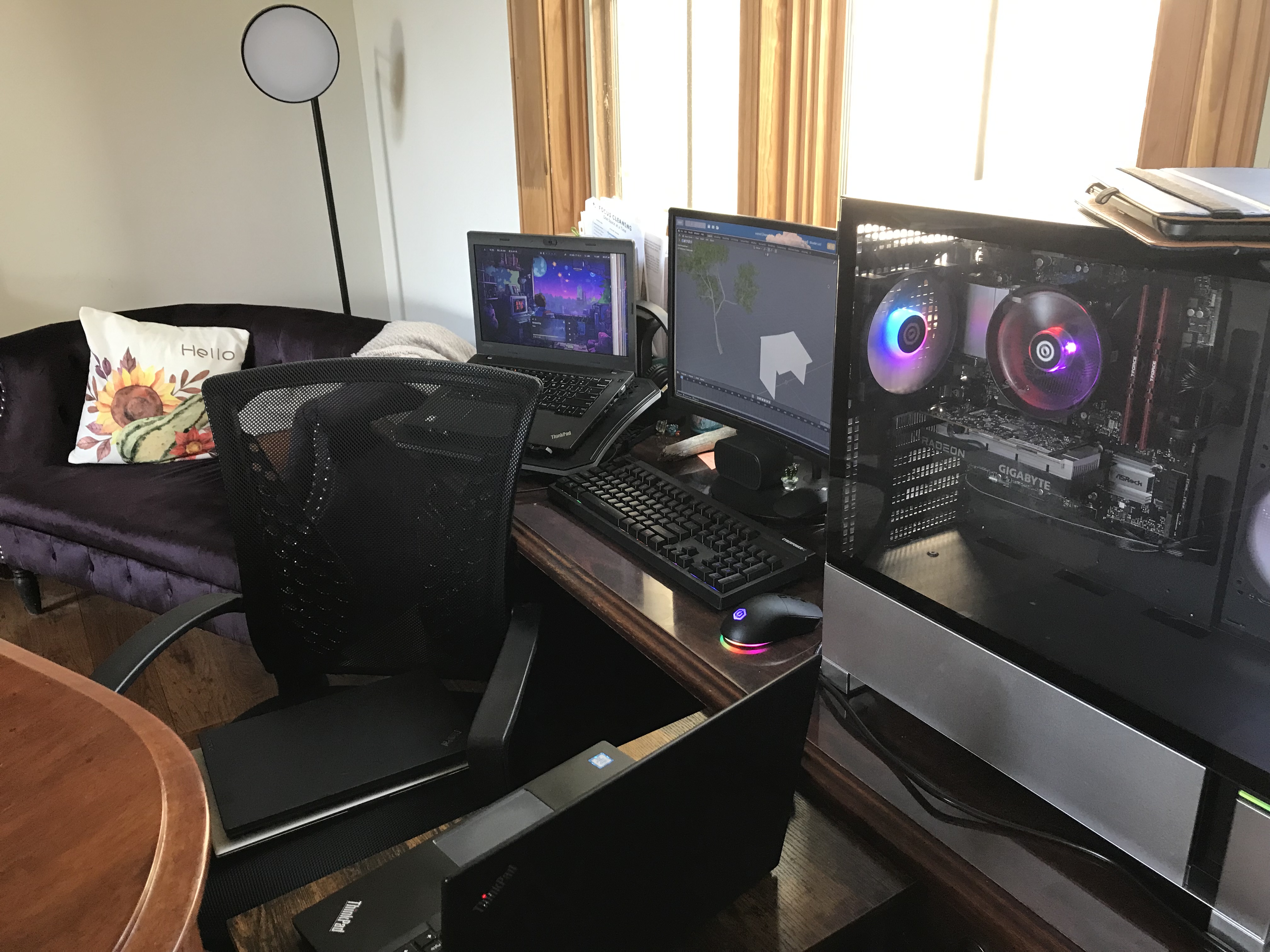
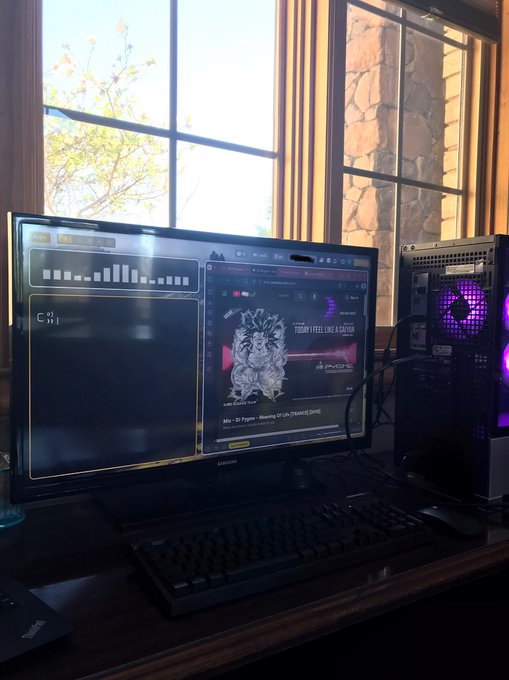
 From what you saw on Loomlett, I have 4 thinkpads/linux. While I used to use all of them around the same time, I’ve been sticking with 2 of recent. The major reason is that my excitement with trying all the Linux distros has waned 🥲. For anyone starting Linux, take my journey as one avenue of what you might expect for your experience.
Around August 2025
Finishing up my associates degree for Graphic Design remotely, I was getting real tired of Windows 10. I’ve had the laptop for about 5 years at this point, loved playing Minecraft on it, but I never liked the laptop itself. Having cold, gray metal, and the OS was boring. I was introduced to a new path when I messaged a kid on IG some months before who was ricing (customizing linux ) and it amazed me. The images of her setup were unlike anything on Windows; bright colors, anime accents, a top bar rather than bottom. It was too complicated-looking for me to get into now, but it made me curious to use Linux.
Since my dad had bought my one-and-only laptop, I asked him about switching to Linux, and he was quite skeptical about its benefits over Windows; particularly for my occupation. However, he gave me the opportunity to switch OS’s once I had finished my degree. However, this was still months away, and I was inspired to get started now.
At this time, I don’t actually remember how, but I got interested in thinkpads. Sleek black, comfy keys, and the nub (trackpoint)- my computer dream come true. After a lot of research understanding the differences between the T, L, and other “series” of Thinkpads, I stuck with the most loved among the community at the time, the T460s (Thinkpad T-series 460 from 2016). The last of its kind to have the traditional non-USB-C charging port and the 2nd last to have non-soldered RAM, I loved its ease in removing the battery amongst other things. Once I found the perfect one on Ebay for only $100, literally a steal because of its i7 processor, upgraded screen, and 8gb RAM (T460 originally came with i5 and a bleh screen), I was excited to install Linux onto it. To this day (2026) it’s still the favorite of my Thinkpads, though the only thing I wasn’t savyy on back then were the battery compartments, differentiating a T460s (what I got) to a T460p and a regular T460.
Finally, I was ready to begin my Linux journey! Since the T460s came with no OS, I used my Windows 10 laptop to install Rufus; application to create/format bootable USBs. Since Linux distros were still kinda complicated, I decided to jumpstart with Linux Mint. The screen looked phenomenal with it, especially with its cool Minecraft-like blocky Earth background.
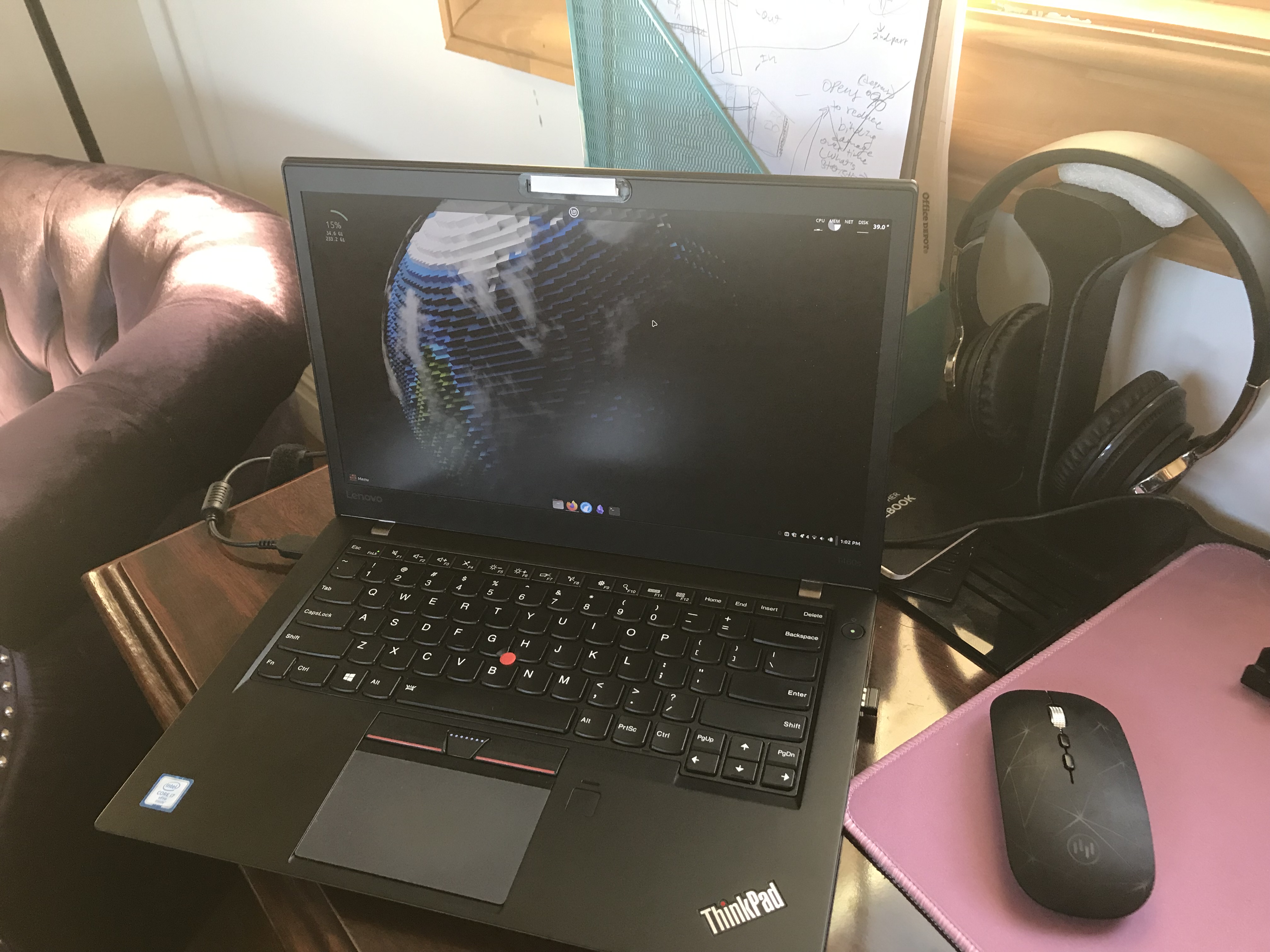
Over the next few months I got comfortable with both the interface and somewhat the terminal. Some things I noticed was the ease of installing apps, customizing the desktop, and how plushy the GUI looked. However, it still seemed too easy, like a Windows look-a-like without the complexity. Not that I wanted it to be complex, but I wanted more control, to feel free in a sense. While I wasn’t going to change the OS yet, I still had my Windows 10 laptop to move over.
Feb 2025
After graduating college, I had my opportunity to install Linux again. After my dad persuading me some more to not do it, I was confident in proving him wrong. Since Linux Mint was a Debian-forked distro, I wanted to try an Arch-forked one. After researching the differences, I really liked how Garuda was built-in customized. Though Arch users seemed to hate Garuda for this reason, I decided to try it out. This YT review shows a nice overview. Loading it onto my Lenovo Laptop was a dream, after having used Windows on it for so long, I was now seeing a completely different interface: KDE-Plasma. Yes this DE can be made to look like Windows, but the transparent bottom bar, themes to pick from, and bright customization colors were so cool. Not only that, but Arch features like removing orphans were already built-in options through the GUI. Also, installing packages for the GPU were pre-picked, making it super easy to configure to hardware, something that can still be harder to set up on other distros!
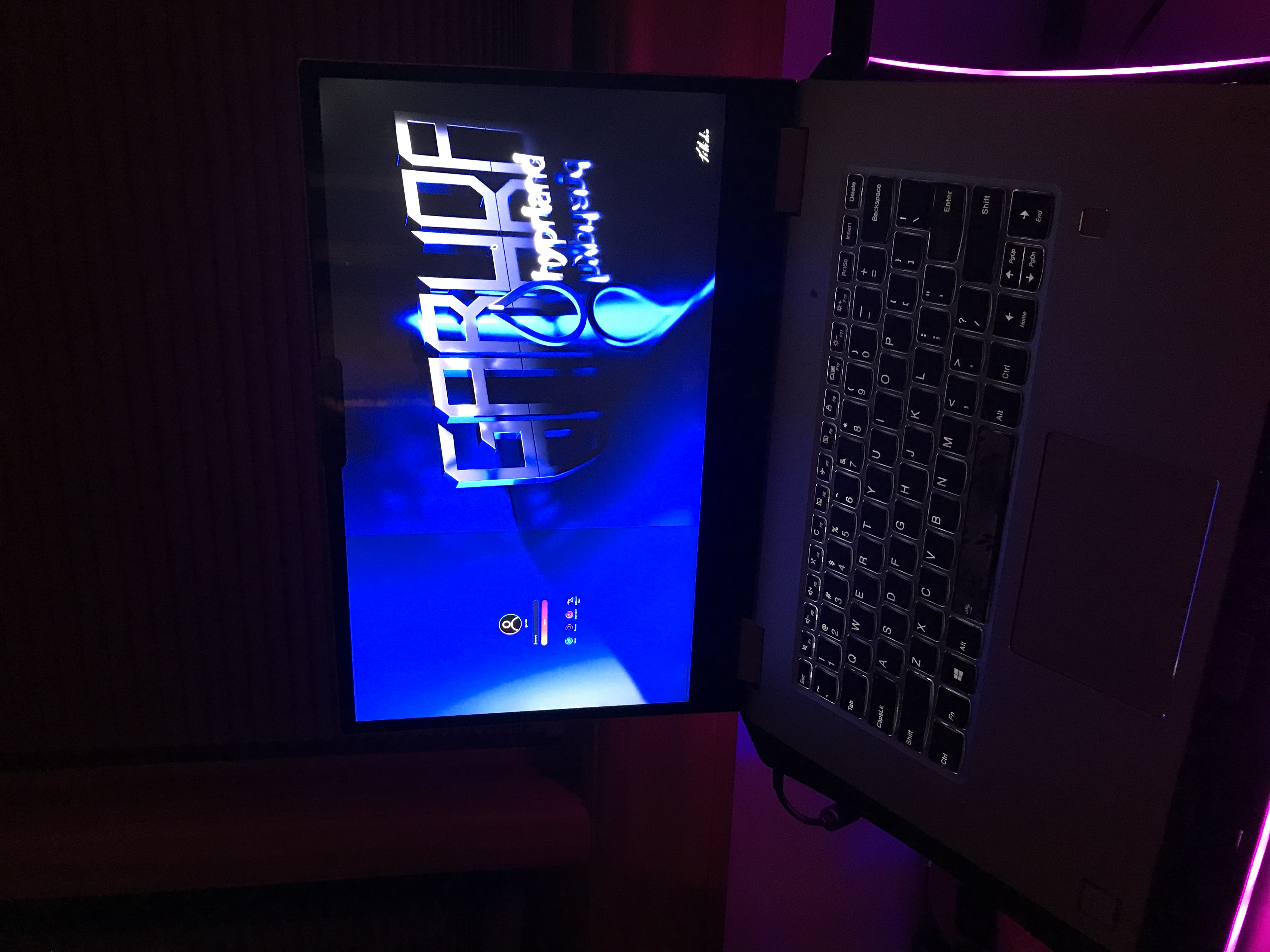
Note: Garuda does have problems with BTRFS and is the only OS that has failed in some functionality. So going to its root distro Arch is best! GPU packages are rather easy to install, though configuring for complex workflows will be tricky for newbies.
After sticking with Garuda Linux for a few months, I had successfully proved my dad wrong about the switch. I didn’t have any need for Windows since there were good alts available like Figma/Lunacy, Photopea, and GIMP. And I talked on and on about how it rivaled and surpassed Windows altogether! (Linux is Easy, Now)
Mid-2025
As I got excited about distros and curious about other Thinkpads- while I started experimenting with VMs, I still wanted more laptops. Why not a desktop? Because I didn’t have the experience :D
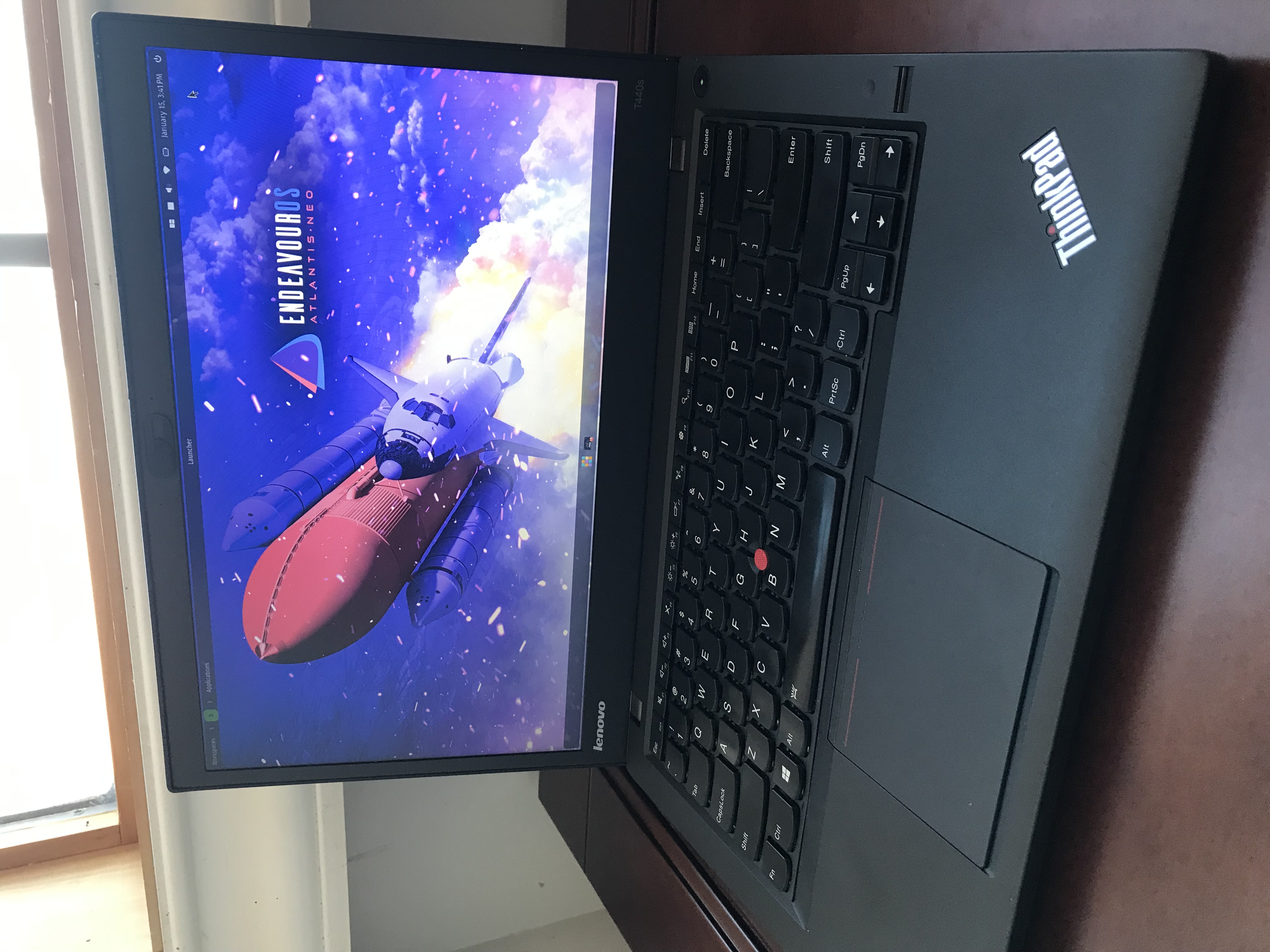
The next laptop I got was a T440s on Ebay for $50. Specs are i5, bleh screen, and 8gb RAM. The screen actually looks pretty cool with the right wallpapers, and this was my trial top for Linux, so little RAM was fine. Since I was curious in other Arch-forked distros, I tried EndeavorOS. It’s considered pretty useless on the Chris Titus Linux Tier List, but the community loves it for the intergalactic theme and diligence on the command-line, in which I was still getting used to.
Late 2025
The L460: affordable craptop for budget people. Ok not really, that’s what the A-series is for, the L-series is the same but a bit better build. While it is the largest of my laptops, with about 2-inches more space, I bought it for $30 with a screen that was slightly broke but still usable. This is my ultimate testing top!
Since Arch is the ultimate testing distro, I went through the manual steps until I reached partition drive. For the LIFE of me I can’t partition a drive. Fortunately I read other users feedback that, despite being techies, were terrified of it too, so I was comforted despite my lack of ability.
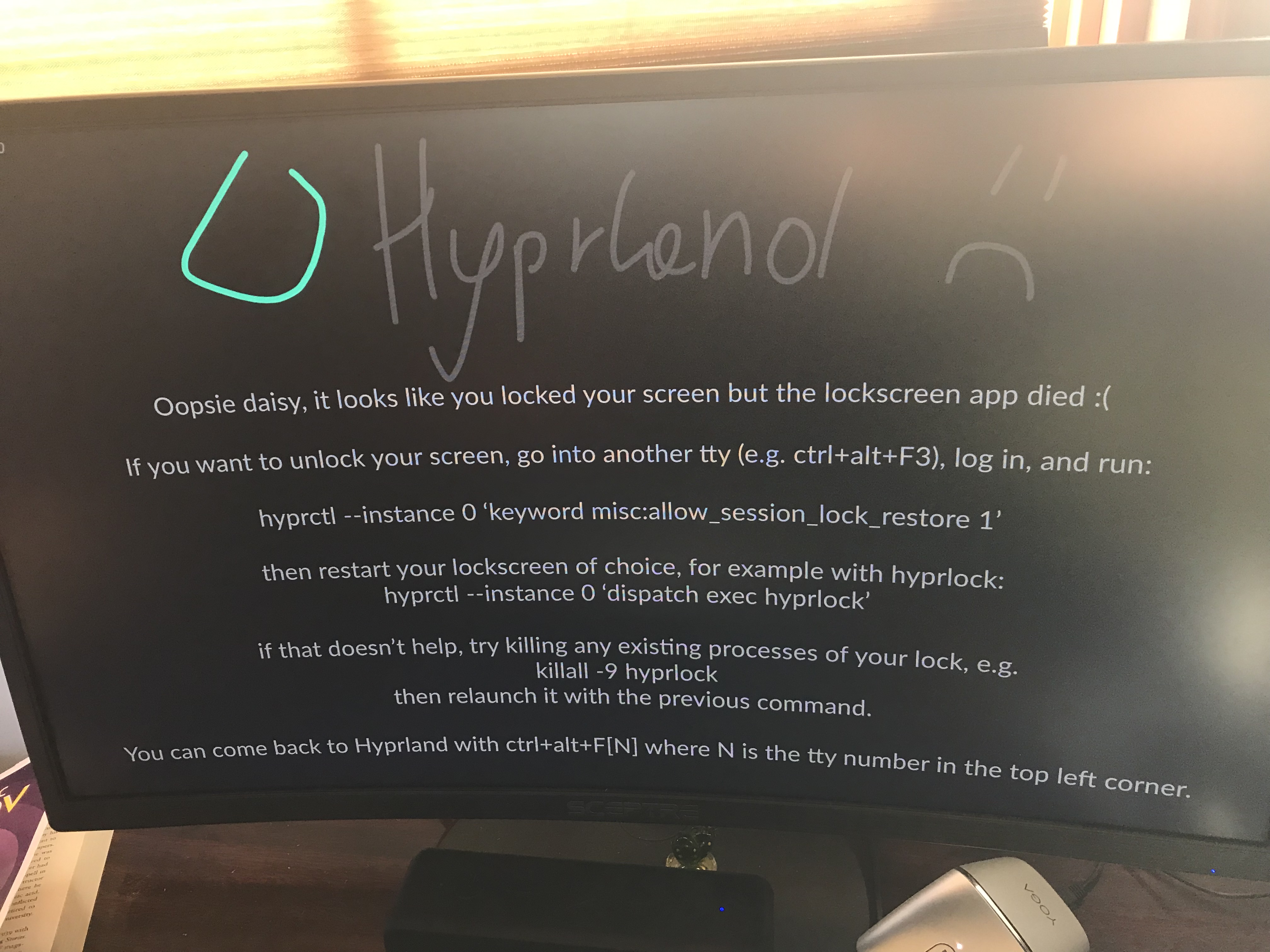
This was my first experience ricing, since Arch is the ultimate OS for ricing since Hyprland WM can be installed. Since the coding language is a bit different than I’m used to, and there’s so many dotfiles (configs) out there, I just pick one. The vibe of gh0stzk was so cool, and installing was even cooler. A simple GUI with easy customization (despite some innapropriate pre-installed anime wallpapers), it was my first experience using hotkeys too. As anyone using WMs will tell you, using hotkeys instead of your mouse is the most productive switch that comes with using Linux. Yes, you can configure them on other OSs, but hotkeys are the only way to use Hyprland (amongst other WMs like BSPWM). There are no top, bottom, or side bars for navigation (unless configured), and so the 1st hotkey to know is how to see what hotkeys will get me where. Once I perfected the art, I ain’t ever going back to cursor-only!
Soon enough, my dad started getting paranoid that in case something happened, I wouldn’t have the right OS to live on. Even though I could just use his or a VM (ok nevermind, getting Windows on a VM is hard!) and in just a year Windows apps could be installed on Linux through Wine or Proton. I was persuaded to get Windows… 11. Yep, but not on my existing computers! I bought a $150 T480. Even though I wanted to wait a few years for the price to drop, I thought why not, since it was the last modern Thinkpad I wanted to use.
Note: The T420 was real tempting because it features the best key shape in the world before chiclet replaced it. However, I got an incredible deal by a Redditer for an IBM 2012 desktop keyboard that I’m typing on right now for 400! I LOVE THE NUB SO MUCHHH AHHHH!
The problem with the T480 is, while it’s great that it doesn’t have soldered-on RAM (last Thinkpad to have it), the soldered USB-C charging port is known to come off over time. With a soft casing, chiclet keys with slight texture, and the original-design trackpad; the T480 is loved among collectors and is known as “The last best Thinkpad” after the T460.
With Windows 11 pre-installed 🤢 I try to do the trick said by Linux-gurus on how to get around the Microsoft log-in. Except, it got taken down right before I got it, dang. Though since I knew I wouldn’t be using it that much, and I already had a Microsoft account, I decided to go ahead and sign-in. Once I did, everything I had on the Lenovo laptop before was pre-installed, including Steam which had automatically signed me in… and gave me the option to install Minecraft again. So, why not? Yes I was breaking my rule of not playing video games as an adult, however I did miss Cake Wars. At this point, I just blame my dad for making me get a Windows 11 computer.
While I’ve made some switches to the Linux distros I use, there’s 2 constants: Debian for privacy (banking) without needing constant updates, and Arch for design while having rolling-release updates.
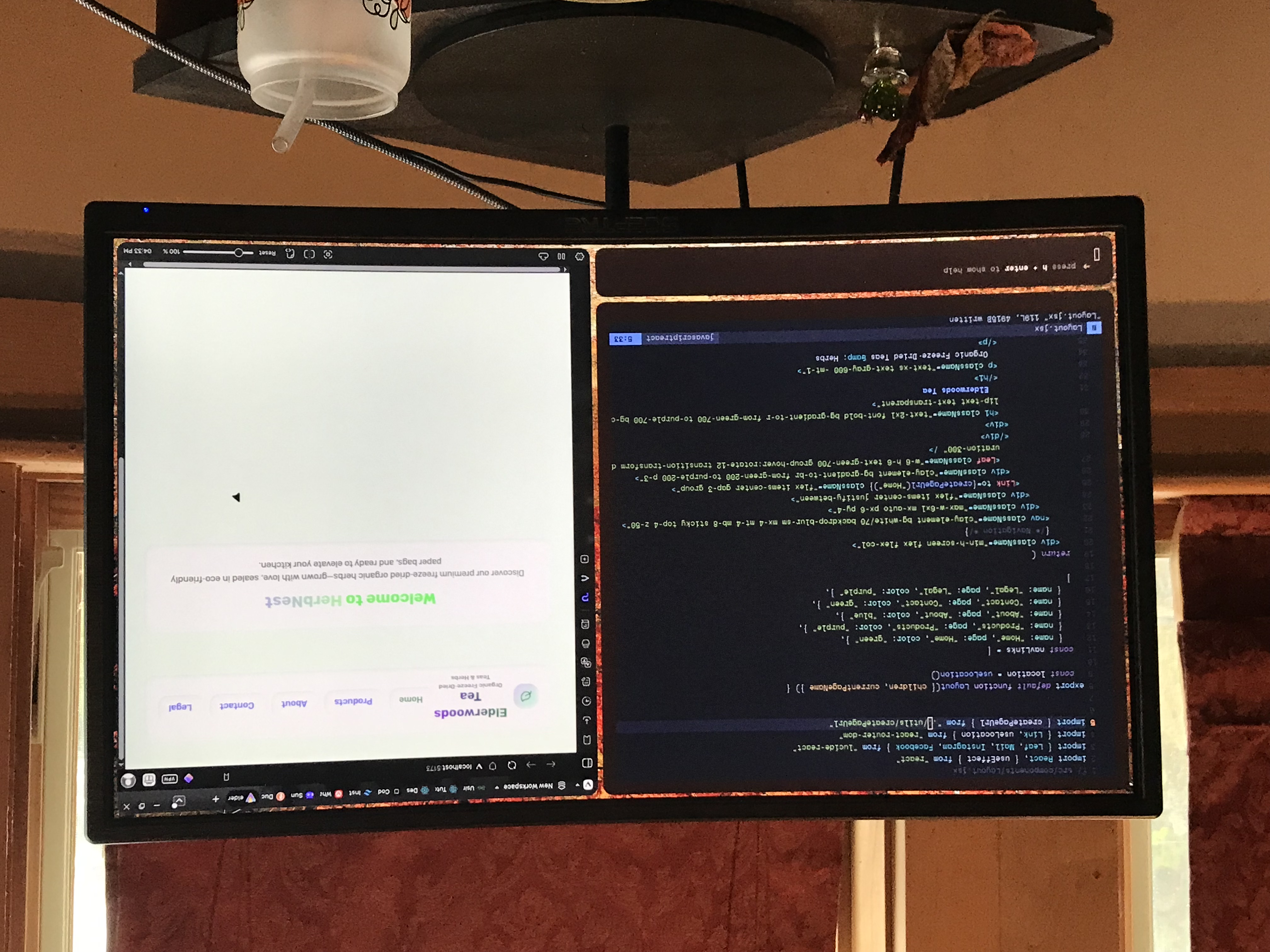
Note: I think it’s GNOME folder manager that my Hyprland ML4W dotfiles uses that several files can be renamed at once (with differing numbers at the end), super cool feature I just came across!
Takeaway
Windows never gave me the opportunity to experiment. It was like living in enclosed walls where every action is pre-meditated for you. Whereas Linux, and Arch specifically, opens the whole world of computing. Like Linus Torvalds said in his book “Just for Fun”: “I’m a big believer that the best way to learn is to actually do it — build the thing. If you want to understand how an operating system works, write one.” (Not sure where this quote came from, but the next came from the book Just for Fun Pg. 73).
“You get to create your own world, and the only thing that limits what you can do are the capabilities of the machine - and, more and more often these days, your own abilities.”